Basic information about safe food.
Food,
Generally, food organisms that produce growth energy, prevent disease, and meet the body’s needs, that is, nourish the body, are called food. All the elements needed to keep the body healthy and fit for work, enabling proper body function, are found in food.
Food safety
Food safety is a set of measures that prevent food from contamination by substances, microorganisms, bacteria, viruses, chemicals, and allergens, to protect consumer health. Anything in food that can contaminate it and harm human health is called a food hazard. Those involved in food have an essential role in controlling food-related hazards.
Every day, countless people fall ill after eating contaminated food, and many of them become seriously ill. Some illnesses are lifelong and hereditary. Children, the elderly, pregnant, and lactating women are most affected by food-borne diseases. And those who are already sick for some other reason.
Signs of unsafe food:
In the final stage of contamination, food can be identified by its color, smell, texture, and changes.
Reasons for food becoming unsafe:
Due to chemical and enzymatic structure, bacteria that contribute to decomposition under the influence of external moisture, light, heat, microbial oxygen, etc. Infection with microorganisms such as yeast, mold, and viruses makes Fish, Meat, eggs, and Milk unfit for consumption, increasing the Risk of developing various types of food-borne diseases. Food also becomes unsafe due to natural and our habitual carelessness. Food can become dangerous due to contamination during production and preparation.
generally Food is unsafe in four ways:
- Physical: In the presence of dust, dirt, hair, stones, and garbage, etc.
- Chemical: Due to the presence of chemical substances that are hazardous to human health, such as pesticide residues, antibiotics, excessive use of preservatives, arsenic, lead, etc.
- Biological: Due to the presence of bacteria, viruses, fungi, and other microbes.
- Allergens: Due to the presence of some substances such as gluten, lactose, etc.
Food selection and purchase
Healthy, safe food largely depends on the choices made when purchasing food. Therefore, several things should be kept in mind while buying food.
Do’s and Don’ts while selecting food and purchasing
Buying fruits and vegetables.
Do’s
- 👉 Buy sustainably produced, fresh, seasonal, ripe fruits and vegetables.
- 👉 Buy neat, fresh green or colored vegetables.
- 👉 When buying fruits, pay attention. Are the fruits firm, fresh, perfect, and clean?
- 👉 Buy juicy fruits as much as possible.
Avoid
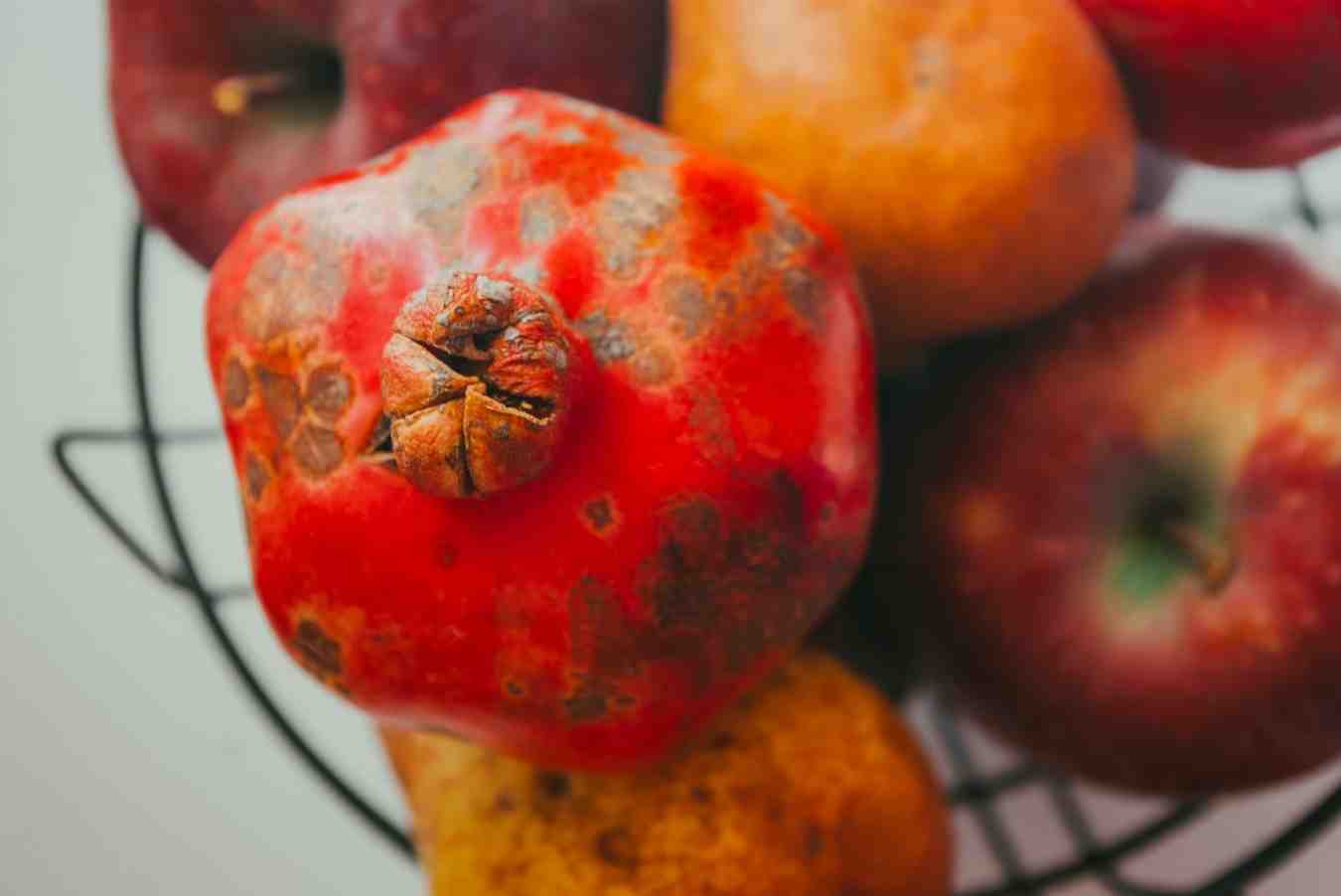
Buy fruits and vegetables that are overripe, have black spots on their necks, are bruised, or have insects.
👉 Buy vegetables that are dry or have faded yellow leaves or are smelly and uneven.
👉 Buy green, sprouted, and wrinkled potatoes or raw vegetables.
Buying eggs
Buy eggs with clean and perfect shells.
Avoid
- 👉 Buy eggs with discolored or dirty shells.
- 👉 Buy eggs with broken shells.
- 👉 Buy eggs with blood stains or a foul odor.
- 👉 Buy eggs that float in water.
Fish, Meat, and poultry
Buy
- 👉Intact Fish with bright and pink gills.
- 👉 Fish with clear eyes.
- 👉 Fish that does not crack when pressed with fingers.
- 👉 Pink color, less bone-rich, and lean meat.
- 👉 When buying packaged Meat, check the refrigerator temperature and the expiration date.
Do not buy🚫
- 👉 Fish with dull, cracked eyes.
- 👉 Fish with a foul smell whose gills are gray or green.
- 👉 Soft, flaky Fish that is separated from the bones.
- 👉 Fish that cracks when pressed with fingers.
- 👉 Expired packaged Fish.
- 👉 Rotten, foul-smelling, slimy, pale Meat.
- 👉 Expired packaged Meat.
🚫 Caution
👉 Fish, Meat, chicken, and eggs should be kept in separate bags.
Buying milk and dairy products
Things to do
- 👉 Buy pasteurized milk and dairy products as much as possible.
- 👉 Buy packaged Milk and dairy products from trusted and recognized organizations.
- 👉 Make yogurt at home if possible.
- 👉 Check the best use date when buying packaged Milk and dairy products.
- 👉 Buy by looking at the seal approved by the quality control organization BSTI.
🚫 Avoid
- 👉 Buy Milk that is discolored, sour, has a bad smell, or has a sour taste.
- 👉 If the packaging is dirty, cracked, or has holes.
- 👉 If the production date, expiration date, and best use date are not clearly mentioned on the packaging.
- 👉 Buying expired Milk and dairy products is a good idea.
Things to do
- 👉 Buy food that is neatly wrapped and clean.
- 👉 Buy by looking at the production date, expiration date, or best-before date clearly on the packaging.
🚫 Avoid
- 👉 If there are a lot of ice cubes.
- 👉 If there is a discoloration and a strong odor.
- 👉 If the packaging is dirty, cracked, and free of holes.
- 👉 Expired frozen food.
Good to know
- When shopping, perishable products such as Milk, eggs, Fish, Meat, or other frozen food should be bought last. Otherwise, there is a risk of food spoiling.
- After buying food that is suitable for keeping in the refrigerator, bring it home quickly and keep it in the fridge or freezer on an urgent basis.
- If the packaging says
- Keep in the refrigerator, freezer, or cold place. In that case, before buying the food, check whether it is properly frozen.
Buying oil, ghee, and various types of oil seeds.
- 👉 Buy packaged oil ghee.
- 👉 Clearly indicate the date of production on the packaging. See the expiration date and the best use date.
- 👉 Buy by looking at the seal approved by the quality control organization BSTI.
🚫Avoidable
- 👉 Buy open, discolored, and smelly oil or ghee.
- 👉 If the date of production, expiration date, and best use date are not clearly mentioned on the packaging.
- 👉 If the quality control organization does not have the BSTI approval seal.
Purchase of grains, rice, pulses, flour, semolina, etc.
To do
- 👉 Purchase packaged rice, pulses, flour, and semolina as much as possible.
- 👉 When purchasing packaged rice, pulses, flour, or semolina, check the production date. Expiration date or best use date.
- 👉 Purchase after checking the BSTI-approved seal at a quality control institution.
🚫 Avoidable
- 👉 Purchase lumpy, umbrella-shaped, smelly stones or other types of dirt and insects-eaten rice, pulses, flour, and semolina.
- 👉 Purchase grains containing any type of insects or insect larvae.
- 👉 When purchasing packaged rice, pulses, flour, and semolina, check the production date, expiration date, or best use date.
Purchase packaged canned or bottled food.
Things to do
- 👉 Buy properly sealed packet bottles.
- 👉 Check the production date or best-before date clearly on the package.
- 👉 Buy by looking at the BSTI seal in the quality control organization.
🚫Avoidable
- 👉 Eat wrinkled, dirty tape, or buy packet bottles with holes.
- 👉 If the production date, expiration date, and best-before date are not clearly mentioned on the package.
- 👉 The quality control organization does not have a BSTI-approved, readable, and clear seal.
Purchase spices and spice-type foods
Things to do
- 👉 Buy clean, whole, and naturally colored spices, dried chilies, turmeric, coriander, cumin, etc.
- 👉 Buy packaged spices as much as possible.
- 👉 Buy by looking at the production date, expiration date, or best use date clearly on the packaging.
- 👉 Buy by looking at the BSTI-approved seal at the quality control organization.
🚫Exclusion
- 👉 If there are insects wearing umbrellas and have a bad smell.
- 👉 If there are artificial colors and bad smells.
- 👉 If the production date, expiration date, or best-before date is not clearly mentioned on the packaging, it has expired.
- 👉 If the quality control organization, BSTI, approves no evident seal TI.
Caution 🚫🚫🚫
- 👉 If the food is spoiled or if there is a suspicion that it has been spoiled, it should be thrown away immediately.
- 👉 Do not accidentally taste rotten and spoiled food. This can be harmful to health.
- 👉 Be careful when purchasing spices that are not in open packets.
It is essential to be familiar with all the logos used on packaged foods when purchasing.
- 👉 Green color for vegetable products.
- 👉 Brown color for seafood.
- 👉 BSTI logo
Read the label of packaged food properly and take action accordingly.
- 👉 The label of packaged food should be read carefully and purchased accordingly.
- 👉 This is very important for protecting the health of yourself and your family and for making proper use of the money spent.
- 👉 Always check whether the production and expiration date or best-before date is correct.
- 👉 Check whether the label has a certificate of the recognized organization, BST, on it.
Ideal measurement of food ❤️❤️❤️
- 👉 The amount of food should be checked at the time of serving. How much weight or measurement of food should be served?
- 👉 The correct weight of the packet should be checked.
- 👉 Nutritional information on the packet will usually be presented on a per-serving basis, or on a per-100-grams or per-100-ml basis.
Carbohydrates
- 👉 Sugar or sugar, especially added sugars, should be checked. To avoid some obesity risks, sugar, especially added sugar, should be avoided or limited.
- 👉 Vitamins Vitamin-rich foods should be kept more in the list of favorite foods. This will increase the body’s immunity, helping keep it free from disease.
Nutritional content
- 16 servings per packet.
- Serving size is one tablespoon (46 grams).
- The energy per serving is 190 kilocalories.
Daily amount👌 Fat, Cholesterol, and Sodium.
- 👉Total fat 8 grams 10%.
- 👉 Saturated fat 0 5%.
- 👉 Trans fat 0 grams o%.
- 👉 Cholesterol 0%.
- 👉 Sodium 0%.
- 👉 Total sugars 35 grams 39%.
- 👉 Fats 0.5%.
- 👉 Total sugar 34%.
Protein
- 👉 Protein 3 grams 4%.
- 👉 Vitamin 10%.
- 👉 Calcium 0%.
- 👉 Iron 15%.
- 👉 Potassium 06%.
1. Daily Value indicates the percentage of your daily calorie intake.
2. One serving size indicates the amount of energy your daily food provides.
Good to know
👉We also need to know about fortified or enriched foods. Fortification is the addition of one or more micronutrients, vitamins, and minerals to food. The micronutrients that our body needs or that we are deficient in but cannot easily get, or the micronutrients that are added to the food related to the micronutrients. This is currently recognized worldwide. There is no difference in flavor preservation or cooking method between fortified foods and regular foods. Food fortification is done to eliminate nutritional deficiencies and provide additional nutrients at a low cost.
Foods that can be fortified, or are fortified, include iodized salt. Vitamin D fortification with Milk, vitamin A and D fortification with oil, iron, folic acid, and vitamin B12 fortification with rice or flour, etc.
List of food ingredients and food additives mentioned on the package.
👉The list of food ingredients should be checked carefully.
👉 If you are sensitive or allergic to Milk, nuts, eggs, Fish, soybeans, or any other food ingredient, you should be careful in consuming such food.
👉 The list of food additives mentioned on the label should be checked carefully. If there is any doubt, you should refrain from consuming the food concerned and inform the food safety authority.
Food preparation and storage guidelines
👉 If there are any instructions for preparing or eating a specific food, follow the instructions mentioned on the package or on a separate paper inside it.
👉The food should be stored in the manner described on the package.
Caution 🚫
When buying packaged foods, check the expiration or best-before date.
As a conscious consumer, you should do
👉 Do not be fooled by false and misleading advertisements. In marketing various types of food, some unscrupulous businessmen advertise products in the following way to attract the audience’s attention. In that situation, the following points should be considered.
Food type Fat Oil Advertisement claims and explanations
- 👉 The oil is diabetic or heart disease-fighting. Almost all oils contain 100% fat and should be consumed at a specified temperature.
- 👉 This oil does not contain cholesterol. No vegetable oil contains cholesterol.
- 👉light oil or lite oil.
- One gram of any oil actually provides the same amount of calories: 9 kilocalories.
- 👉 Does the oil contain saturated fat?
- 👉 Cholesterol-free claim, even if a food claims cholesterol-free, its accuracy will depend on the amount of saturated fat and trans fat present in this food. Because saturated fat and trans fat play a role in increasing the body’s cholesterol Label.
- Low-fat or non-fat claims are often made to make low-fat foods palatable by using sugar-containing flour or starch thickeners.
- If red flour bread is written, the flour or bread will not ensure a complete sleep product. Flour or bread can also be made red by using caramel. However, the flour or bread labeled must be at least 50% whole wheat.
- 👉 Sugar-free and sugar written on the label does not mean calorie-free.
Let your market be healthy and affordable❤️❤️❤️
Grains and pulses.
- 👉 Whole grains, broken beans, and pulses should be purchased.
- 👉 Whole grains contain fiber, vitamin E, iron, zinc, vitamin B complex, and low fat.
Some tips for a healthy and affordable market Vegetables and fruits
- 👉 You should buy seasonal vegetables and fruits.
- 👉 If possible, you should buy colorful and fresh vegetables and fruits.
- 👉 You should buy 100% fruit juice without added sugar.
❤️ Good to know.
- 👉 Only citrus fruits such as oranges, lemons, or limes are not the only sources of vitamin C.
- 👉 Guava, mango, and green chilies contain a lot of vitamin C.
Fats and oils
- 👉 You should buy oils rich in vitamins A, D, O, and E.
- 👉 Different types of oil should be used in daily cooking.
- 👉 Risk of heart disease: Margarine, linseed, or palm oil should be used in cooking at night. Instead, mustard oil, sesame oil, sunflower oil, soybean oil, olive oil, rice bran oil, etc. should be used.
- 👉 Almonds or almond-like grains contain a lot of omega-3 fatty acids, which enrich the diet.
Many people suffer from vitamin D deficiency. Some foods contain vitamin D; however, vitamin D-rich milk or oil is available on the market. This partially meets the body’s vitamin D needs.
Milk and various types of dairy products
- 👉 Vitamin A and D-rich Milk should be purchased.
- 👉 Pregnant and lactating mothers should be given Milk with butter. Heart patients and people with diabetes should drink low-fat milk or butter-free Milk to prevent obesity.
- 👉 If you are allergic to Milk and various types of dairy products, soy milk or dairy products can be taken as an alternative.
- 👉 Milk is one of the best sources of protein, calcium, phosphorus, and vitamin B.