Serving Food
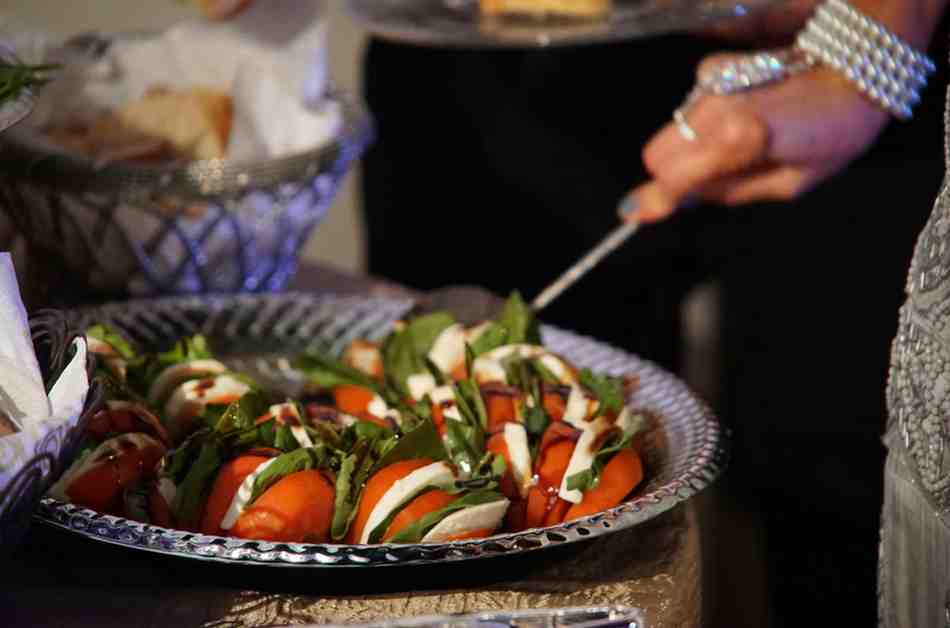
👉 After cooking Food properly, it is equally important to serve it in a clean, hygienic, and safe manner.
Safe serving utensils.
- 👉 Foot-grade glass ceramic utensils.
- 👉 Stainless steel utensils.
- 👉 Cloth utensils.
- 👉 Disposable, easily destructible food-grade utensils.
Cannot be used 🚫
- 👉 Non-food-grade plastic utensils.
- 👉 Newspaper wrappers for pickles or pickles.
- 👉 Aluminum utensils for Cooking.
- 👉 Wax-coated paper cups or bowls for hot Tea or drinks.
Can be used
- 👉Stainless steel utensils.
- 👉 Aluminum and copper utensils.
- 👉 Foot-grade glass, ceramic, or china clay utensils.
- 👉 One-time plastic utensils.
🚫 Cannot be used.
- 👉 Any type of non-food-grade plastic utensils.
- 👉 Printed paper newspapers for serving Food.
- 👉 Tin, copper, or brass utensils, or aluminum utensils, for serving sour things.
- 👉 Reuse one-time plastic utensils.
Food should be served safely. Things to do to serve safe Food.
- 👉 Prepared Food should be covered.
- 👉 Serving utensils should be washed and air-dried. Single-use items should not be reused.
- 👉 Food should be eaten hot immediately after cooking, and fresh Food as much as possible.
- 👉 Food should be served in a clean and hygienic environment.
- 👉 If possible, clean film utensils and stainless steel cutlery should be used.
- 👉 Cold Food should be served cold, and surplus cold Food should be stored in the refrigerator.
- 👉 Wash your hands with soap and clean water before serving Food.
- 👉 Food should not be wasted, and Food should be taken as needed.
- 👉 After finishing the meal, the dishes and tiffin box should be washed thoroughly with soap and detergent.
- 👉 Use a spoon instead of serving Food with your hands.
Eating healthy Food ❤️
👉 Cooking and serving Food healthily and safely is as important as eating healthy. Proper planning is necessary to ensure a healthy, balanced diet.
Basic guidelines for healthy eating.
- 👉 Food pyramid for a balanced diet.
- 👉 Sugar (5 servings)
- 👉 Fats and oils (3-6 servings, eat in small amounts.
- 👉 Eat in moderation. Milk and milk products 1-2 servings)
- 👉 Fish, meat, and eggs (1-4 servings). Eat in moderation. Pulses (1-2 servings)
- 👉 Vegetables (3-6 servings) Eat in sufficient quantities. (1-3 servings).
- 👉 Eat as needed. Grains, Roots, and tubers (9-15 servings)
❤️ Tips
👉 A balanced diet consists of various types of Food in such quantities and proportions that meet the needs of everyone, such as carbohydrates, proteins, fats, vitamins, minerals, dietary fiber, and water.
Grains
- 👉 You should eat adequate amounts of grains every day according to the body’s needs.
- 👉 Rich in carbohydrates, vitamin B complex, and minerals, it should be consumed as whole grain foods as much as possible.
- 👉 Grains are the central part of our daily diet. Being rich in carbohydrates, they provide the energy our bodies need.
Chira Muri is healthier than processed rice. Boiled brown or red rice is healthier than processed rice. Being rich in vitamins and minerals, it is more nutritious than waiting for the heat to break.
Sugars everywhere
- 👉 Not only rice, flour, bread, etc., but also raw bananas, potatoes, sweet potatoes, nuts, grains, seeds, fruits, vegetables, Milk, etc., also contain carbohydrates in large quantities.
- 👉 Complex carbohydrates: Our body takes time to digest, and the energy released from it is slowly released into the body over a long period of time.
- 👉 These types of carbohydrates contain a lot of fiber and nutrients.
- 👉 They have a low glycemic index.
- 👉 Red flour, whole wheat flour, vegetables, beans, pulses, sweet potatoes, etc., contain a lot of complex carbohydrates.
- 👉 Simple carbohydrates: They are quickly absorbed into the body. They are stored as glycogen in our body cells, and if they are not used quickly, they are converted into fat.
- 👉 These types of carbohydrates.
- 👉 Rich in low levels of fiber and nutrients.
- 👉 Rich in glycemic index at high temperatures.
- 👉 Excess carbohydrates are converted into fat.
- 👉 Releases a lot of glucose at night.
- 👉 These are all types of Sugar, honey, fruit juice, candy, jam, jelly, and soft drinks, etc.
Peas, beans, and pulses.
👉 To meet the needs of vegetarians, adequate amounts of various types of motor in and pulses should be kept in the daily diet list.
Milk and dairy foods
- 👉 Milk is an ideal food.
- 👉 Milk and dairy foods such as Milk, Curd, Cheese, butter, etc. should be kept in adequate amounts in the daily diet list.
- 👉 Curd and buttermilk help us digest Food quickly.
Vegetables and fruits.
- 👉 Different colors and types of vegetables should be eaten every day.
- 👉 150 ml of fruit juice can be drunk every day. Fruit juice contains simple carbohydrates.
- 👉 Eating whole fruits is healthier than drinking fruit juice.
Good to know
👉 Guava and apples contain a lot of ash and pectin. Apples also have anti-inflammatory and anti-allergic properties that protect against various diseases.
Tips❤️❤️
👉 Fruits and vegetables contain a lot of vitamins, minerals, and antioxidants. Vitamins and minerals strengthen the immune system and help protect the body from various diseases.
Eggs, Chicken, Fish, and meat.
👉 Eggs, Fish, meat, and animal protein are sources of protein. These are for the body.
The role of body growth and structure is immense.
If you are not a vegetarian or vegan, you can have the required amount of eggs, Fish, meat, or chicken in your daily diet. Care should be taken not to overeat these foods, especially fatty meat, because it increases the risk of heart disease.
🚫 Caution.
👉 Raw eggs should never be eaten as they contain harmful bacteria.
Fats, oils, Sugar, and Salt
- 👉 Fats and oils provide energy to our bodies and fulfill nutritional needs.
- 👉 Sugar is naturally present in various dairy products and fruits.
- 👉 You should carefully consider what type and amount of fat you are eating.
- 👉 Because high amounts of fatty foods, especially saturated and trans fats, increase the risk of heart disease.
- 👉 Refined Sugar is a simple carbohydrate that can cause obesity and various related diseases, so excess Sugar should be avoided in Food.
- 👉 Older adults should take special precautions when eating Sugar, fat, and Salt.
Salt
👉 Salt is an essential ingredient in our diet. It increases the taste and smell of Food, but Salt is a cause of high blood pressure.
🚫 Caution.
👉 If someone has high blood pressure, foods with high levels of Salt, especially pickles, chutneys, and processed foods, should be avoided as much as possible.
Good to know
👉 The World Health Organization has recommended a maximum of 2 grams of sodium per day for adults, which is equal to zero to five grams of Salt. This amount of Salt is equivalent to 1 tablespoon.
To reduce the risk of high blood pressure and heart disease.
- 👉 Raw Salt should be avoided in the diet.
- 👉 Use a small spoon when adding Salt or Sugar in Cooking.
- 👉 Eat foods that are salty and spicy, such as fried, soft-drinking pickles, jams, jellies, salty foods, hot sauces, barbecued Food, etc., with sweets.
Food should be made healthy.
- 👉 Eat according to your needs. Children, young people, and pregnant and lactating mothers need more nutritious, safe Food than usual. In addition, after recovering from illness, you should eat healthier and safer Food than usual.
- 👉 A normal adult should eat when they feel hungry, but it is better to have a four-hour gap between meals.
- 👉 Eat carefully, pay special attention to what is being eaten and why.
- 👉 You should not watch TV, use your mobile phone, or concentrate on any work while eating.
- 👉 Food should be chewed slowly and enjoyed as much as possible, especially its seven friends and organization.
- 👉 Devouring Food can cause indigestion.
- 👉 The food list should be varied. The Food should be tasty and healthy.
- 👉 Breakfast should not be ignored or neglected in any way. If Food is skipped at noon or at night, it should not be regular.
- 👉 It is best to eat dinner at least two hours before going to bed as much as possible.
- 👉 Regular weight check should be done. If there is excess weight, the Food should be adjusted accordingly.
Healthy Breakfast
- 👉 A light breakfast every day is beneficial for the body.
- 👉 Acceptable as a light breakfast.
- 👉 Medium-sized whole fruit.
- 👉 A bowl of fruit mixed with yogurt or Milk.
- 👉 A sufficient amount of almonds, cashews, bean sprouts, etc.
- 👉 Chira Muri, khai, popcorn, biscuits, pita, etc.
- 👉 Salad, cucumber, tomato, carrot, radish, etc.
- 👉 Boiled eggs, boiled chickpeas, etc.
- 👉 Noodles soup, etc.
Healthy Food for Children.
👉 For the first six months of birth, only breast milk, which is safe and nutritious, should be given to him, and then for two years, along with breast milk, he should be given balanced home-made Food.
image.png
Breast milk
- 👉 Provides essential nutrients to newborns and children.
- 👉 It serves as the child’s first vaccination, increases the child’s immunity, and at the same time protects the child from infection.
- 👉 Plays an effective role in the development of the child’s intelligence.
- 👉 Protects the child from the risk of disease.
- 👉 Gives all children a healthy start in life.
- 👉 A natural source of nutritious Food for the child.
🚫 Caution.
- 👉 Bottle feeding or using baby food as a substitute for breast milk should be avoided.
- 👉 The child should be fed as per the advice of the necessary doctor.
Benefits
- 👉 Faster postpartum complications are eliminated.
- 👉 Reduces the risk of maternal cancer.
- 👉 Reduces the mother’s mental stress during childbirth.
- 👉 Works as a natural contraceptive.
Mother’s milk is rich in nutrients and antibodies. The child cannot be deprived of this. When the child is zero to six months old.
👉 When the child is zero to six months old, breast milk alone is not enough. According to the World Health Organization, when the child is 6 months old, the child should be given complementary foods that are nutrient-rich and suitable for the child, in addition to breast milk, and the amount should be gradually increased.
❤️ Tips.
👉 Giving complementary foods: The appropriate schedule should be followed, the amount should be sufficient, nutritious, varied, and delicious.
Age, type of Food, and how often to measure Food.
- 👉 06 08 months: Give mashed soft foods. Feed 2-3 times a day along with breast milk. Two to three tablespoons and half a cup.
- 👉 9 to 11 months: Soft, small pieces of mashed Food. Along with breast milk, eat three to four times a day and light snacks when hungry. Three to four cups or snacks as needed.
- 👉 12 to 23 months: With the whole family. Along with breast milk, eat two to three times a day. Along with breast milk, eat two to three times a day.
Food should be made healthy.
- 👉 Growing children and adolescents have increased food needs. Fish, meat, Milk, eggs, pulses, Cheese, chicken, and nuts are sources of non-vegetarian Food.
- 👉 From adolescence and up to the age of 25, the need for calcium is at least high. Calcium strengthens bones and teeth without increasing bone growth. Dairy foods like Milk, yogurt, and Cheese are the primary sources of calcium. Teenagers need dairy foods several times a day.
- 👉 In the case of food preparation, it should be rich in vitamin A, rich in oil, and iodine. Children should especially be given Milk rich in vitamins A and D.
- 👉 Teenagers need additional iron-rich Food during adolescence. Tea should be avoided within 30 minutes of eating because it hinders the absorption of iron and calcium.
Good to know
👉 Vitamin C helps the body absorb iron. So, fresh fruits, salads, lemons, tomatoes, cucumbers, green peppers, etc., should be included in the diet.
Pregnant and lactating women
👉 Pregnant and lactating mothers should be given sufficient nutrition and safe Food. From the third month of pregnancy, she should be given an additional 200-300 kilocalories of nutrition than usual. This extra nutrition can be obtained from two to three flour rotis and one or two glasses of Milk.
- At this time, 👉 You should eat sufficient flour rotis, rice, and various types of pulses.
- 👉 You should eat sufficient non-vegetarian foods such as Fish, meat, eggs, Milk, and dairy products.
- 👉 You should eat sufficient seasonal and fresh fruits and vegetables.
- 👉 Pregnant mothers should eat sufficient iron-rich foods. Vitamin C-rich fruits such as amalaki, latkan, Guava, tamarind, lemon, chalta, malta, orange, grapefruit, and olives should be eaten regularly. This helps the body absorb iron-rich foods.
- 👉 You should drink at least six to eight glasses of safe water in sufficient quantities.
- 👉 To avoid constipation, you should eat fibrous foods.
- 👉 Avoid excessively spicy foods.
- 👉 Do not overeat before going to bed; eat small amounts frequently so that the Food is digested quickly. You should not sleep on your stomach.
- 👉 Smoking and drinking alcohol must be avoided.
Be careful when eating Food while traveling 🚫.
- Fresh Food should be bought or eaten from clean food shops or restaurants.
- When eating or purchasing Food, you can ask a restaurant head who has received a grading from the Food Safety Authority.
- If you want to eat street food, you should eat safe street food.@##
- If you are in doubt about food safety.
Can be eaten
- 👉 Hot water, such as Tea, coffee, or hot cooked Food.
- 👉 Light snacks such as hot egg omelets, fried eggs, or boiled eggs. Hot paratha or bread.
- 👉 Seasonal fruits such as mango, orange, plum, apple, or Guava, etc.
🚫 Should be avoided.
- 👉 Any fried food that looks black, sticky, and dirty is fried in oil.
- 👉 Green Salad, chutney, ghughni, chatpati, bhel puri, etc.
- 👉 Milk-based foods.
Things to follow during Ramadan
- 👉 Eat balanced, fibrous, and easily digestible Food in Sehri.
- 👉 Avoid oily, spicy, and salty foods in Sehri.
- 👉 Avoid excessively salty and sweet foods.
- 👉 Avoid caffeine-rich drinks, Tea, coffee, soft drinks, and juices because they increase the amount of urine. As a result, the body may become dehydrated and thirsty quickly.
- 👉 It is better to start Iftar with dates and water.
- 👉 Eat a variety of fruits, vegetables, or salad-like foods in Iftar.
- 👉 Drink safe water from after Iftar until Sehri.
- 👉 Buy iftar items from restaurants or food shops that comply with hygiene rules.
- 👉 Avoid fried and oily foods such as onion, purple chop, tehri biryani, etc. during Iftar.
- 👉 And do not prepare Food using burnt oil
Things to follow during Qurbani to keep Food safe
- 👉 Purchase Qurbani cattle with infectious diseases and arrange for animal sacrifice at a designated place in a hygienic way.
- 👉 Wash your hands clean and disinfect them while preparing meat.
- 👉 Start skinning the body after the death of the slaughtered animal is confirmed.
- 👉 While skinning the animal and cutting the meat, do not let the meat and meat-cutting equipment come into direct contact with soil, dust, or other garbage. And keep an eye on the meat so that it does not get contaminated by dogs, cats, ducks, chickens, insects, or other pets.
- 👉 If diseased parts such as cysts, abnormally large lymph nodes, cement-like parts of the liver, etc., are found while cutting meat, carefully separate those parts and bury them in the ground in a hygienic way.
- 👉 After collecting the meat, clean the place with a prescribed amount of basting powder or other disinfectant.
- 👉 Keep raw and cooked meat separate.
- 👉 Do not keep raw meat at normal temperature for more than four hours; do it as soon as possible.
- 👉 If you want to store meat for a short time, keep the refrigerator temperature below five degrees Celsius, and if you’re going to store it for a long time, keep the temperature in the deep freezer at minus 18° Celsius or below.
- 👉 Store the amount of meat suitable for each Cooking separately in different airtight packages.
- 👉Cook meat thoroughly at the right temperature and avoid overcooking other foods, including sacrificial meat.
If you want to lose weight,
- 👉 Start your meal with salads and soups.
- 👉 Avoid grilled and roasted vegetables. Avoid sugary soft drinks.
- 👉 Eat fruits and vegetables. Avoid fatty desserts. Eating too much Food makes the next meal less good.
- 👉 Avoid fried Food on the sidewalk. Do not eat fried Food. Do not eat too much Food.
🚫 Caution.
👉 An unbalanced diet may provide some benefits in the short term, but in the long term, it can be harmful. As a result, you may suffer from complications related to muscles, kidneys, liver, eyes, etc. If you eat too much Food to lose weight, you will suffer from anemia, electrolyte imbalance, and calcium deficiency.
What to do if you have food allergies
- 👉 When eating out, you should check the menu carefully so that you can easily be aware of allergic issues.
- 👉 You should check whether there are any allergens in the restaurant food route or routes that have been planned for eating.
- 👉 You should ask the people around you if there are any food or food products suitable for you to eat.
- 👉 You can take as many snacks as you like while traveling.
- 👉 You should consult a doctor about food allergies.
- 👉 When eating packaged foods, you should read the allergen information on the packaging carefully.
Warning 🚫🚫🚫
👉 If you have Food allergy-related problems such as vomiting, itching, diarrhea, stomach pain, redness of the skin, or swelling of the face, eyes, throat, etc., you should immediately seek medical advice.
Do you know what you are drinking?
- 👉 You should drink eight glasses of 3 liters of safe water every day. You can tell whether you have drunk enough safe water by looking at the color of your urine. If your urine is colorless, you can assume you have drunk enough safe water.
- 👉 If the color of urine is dark or the amount is less, then it is a sign of dehydration.
- 👉 You should drink more safe water in hot weather and when the body is sweating.
- 👉 When drinking ice water outside, make sure that the ice is made of safe water.
- 👉 You should drink as few sweet drinks as possible.
- 👉 You should refrain from drinking artificially colored or colored drinks or sherbet in the market, street, or shop.
- 👉 You should not use artificial sweeteners in excess of the amount of Food.
- 👉 Safe water should be used for drinking and Cooking.
- 👉 Unsafe water can be made safe by boiling or filtering it.
Warning 🚫
Although diet soft drinks are calorie-free, they should be consumed in limited quantities.
👉 Energy drinks should be consumed as much as possible.
Good to know
👉 Young coconut water contains a lot of electrolytes that can maintain the balance of the body. You can also drink various types of fruit juice or herbal juice.
Warning 🚫🚫🚫
👉 Tea should not be drunk within 30 minutes of a meal because it interferes with the body’s absorption of iron and calcium.
Exercise for increased performance and good health.
- 👉 To stay physically active, you should exercise for at least 30 minutes every day.
- 👉 You should follow a light exercise before starting and stretch for some time afterwards.
- 👉 You should drink enough safe fluids and rest while exercising.
- 👉 If you do not have time to exercise, you should walk for at least 30 minutes a day.
- 👉 You should reduce your addiction to watching TV and mobile phones.
- 👉 People with disabilities should use the stairs instead of the elevator.
- 👉 Some household chores, such as cleaning the house, shopping, and Cooking, should be done by themselves.
- 👉 It is better to commute to your destination by bicycle or on foot instead of driving your automobile.
Some tips for living a healthy life.
- 👉 People face some physical or mental stress in their daily lives. Therefore, it is essential to manage stress and lead a healthy life, as it affects the body and mind as a whole, including food habits.
- 👉 Even in the midst of a hundred busy lives, you have to find some time for yourself. To keep your life happy and healthy, you have to spend the time you have for yourself properly.
- 👉 You have to exercise regularly, which will help you reduce daily and mental stress and anxiety.
- 👉 You have to be with nature, such as spending some time in a rural area or a green park.
- 👉 If possible, you should do meditation, yoga, and take deep breaths.
- 👉 You should chat with friends occasionally, which will reduce stress a lot.
- 👉 You should have a habit of expressing gratitude.
- 👉 You should actively participate in social events or social service work.
- 👉 You should spend a joyful time with your family.
- 👉 You should sleep for eight hours daily and enjoy vacations occasionally.
- 👉 You should prepare a work routine as much as possible and work like that.
- 👉 You should accept the demands of technology positively.
- 👉 Regular religious practice should keep the body and mind fresh and cheerful.
- 👉 All types of tobacco and drug use should be avoided.
Sources of Vitamins Vitamin A
- 👉 Vitamin A keeps the eyes healthy and prevents night blindness. The picture below shows the high levels of vitamin A.
- 👉 Milk, eggs, carrots, sweet pumpkin, papaya, mango, raw vegetables, small Fish.
Vitamin C
- 👉 Vitamin C helps in the production of blood cells and bone health. It helps in the absorption of iron in the body and the removal of wounds. It keeps the brain functioning. It protects us from many diseases caused by our bodies. The high levels of vitamin C are shown.
- 👉 Amla, Amla, Guava, Pineapple, Kalmi, Green Chilli, Lemon, Cabbage.
D Vitamin
- 👉 Vitamin D strengthens our bones and increases immunity. The sources of vitamin D are shown.
- 👉 Sunlight, Egg yolk, Liver, Domestic small fish.
E Vitamin
- 👉 Vitamin A protects our body from cell destruction. This vitamin is essential for red blood cells. The sources of vitamin E are shown.
- 👉 Sunflower oil, Soybean oil, Almonds, Wood nuts, Pistachios, Walnuts, Wheat.
B1 Vitamin
- 👉 Vitamin B in our body, Thiamine, Energy production, Protection, Increase appetite, Prevent heart disease, Prevent cataracts. Plays an anti-aging role, including improving memory.
- 👉 Cauliflower, Red rice, Pea shoots, Liver, Mushrooms, Lentils.
B2 Vitamin
- 👉 In our body, vitamin B food converts carbohydrates into energy, creates red blood cells, and plays an effective role in preventing sores on the face, chapped lips, fatigue, and dandruff.
- 👉 Pears, Milk, liver, nuts, dates, eggs, and meat.
B3 Vitamin
- 👉 In our body, vitamin B niacin keeps the nervous system active and the skin healthy and plays a role in converting Food into energy.
- 👉 Meat, fruits, nuts, Fish, mushrooms, red rice.
B5 Vitamin
- 👉 In the body, vitamin B pantothenic acid keeps the skin, hair, eyes, and liver healthy and plays a role in breaking down simple fats and carbohydrates into energy.
- 👉 Beef, meat, tomatoes, eggs, Milk, and cauliflower.
B6 Vitamin
- 👉 Vitamin B6, pyridoxine, plays a role in keeping the brain and nervous system active and breaking down proteins in the body to make red blood cells.
- 👉 Fish, molasses, meat, soybeans, bananas, eggs.
B7 Vitamin
- 👉 In our body, vitamin B7 7 biotin, helps in the process of breaking down protein in the body as well as converting glucose into energy. It plays a role in maintaining hair health.
- 👉 Cheese, yogurt, beetroot, sweet potatoes, carrots, tomatoes, egg yolks, greens, onions.
B9 Vitamin
- 👉 Vitamin B9, folic acid, increases the functioning of the body’s brain and nervous system. It helps produce red blood cells and metabolize nutrients, thereby preventing congenital disabilities in the child.
- 👉 Tomatoes, nuts, bananas, beans, soybeans, papaya, okra, spinach, Fish.
B12 Vitamin
- 👉 Vitamin B cyanocobalamin. It helps produce red blood cells and enhances nerve cell function.
- 👉 Liver, meat, Fish, egg yolks.
K Vitamin
- 👉 Vitamin K helps the body make necessary blood clotting and metabolic processes.
- 👉 Green leafy vegetables, soybeans, eggs, cauliflower, sweet pumpkin.
Iron
- It removes anemia and supplies oxygen to the blood.
- 👉 Fish, fenugreek, bean seeds, jaggery, lentils, almonds, soybeans, raisins, raw dates, chickpeas.
Calcium
- 👉 It mainly strengthens the heart and teeth and ensures good health, and keeps the hands healthy.
- 👉 Cheese, two figs, soybeans, spinach, cabbage, Milk, chickpeas.
Potassium
- 👉 It plays a key role in the functioning of the heart, muscles, and nervous system. In addition, potassium maintains water balance in the body and keeps cells alive.
- 👉 Dab, banana, bean seeds, boroi, soybeans, sweet potatoes, almonds, vegetables, dates, raisins, jaggery, Curd, maskalai.
Zinc
- 👉 Benefits: Normal growth in the body, increasing immunity, and healing wounds. Zinc plays an important role.
- Shrimp, Fish, chickpeas, beans, lentils, soybeans, almonds, cashews, meat, eggs, Cheese, yogurt, mushrooms.
Iodine
- 👉 Benefits: Essential for physical and mental growth. It increases the digestive power of the Food consumed and helps in the assimilation, absorption, collection, and excretion of feces. It helps transport nutrients from one part of the body to another.
Deficiency of iodine causes goiter. - 👉 Marine Fish, seafood/weed. Iodized Salt, dried Fish, poya fish, bitter gourd fish, and Fish.
Surplus or leftover food management
It is best to eat fresh Food. However, in many cases, there is a surplus during meals; in such cases, the surplus or leftover Food should be appropriately stored in the packet variety instead of being wasted.
- 👉 Make a habit of eating local and fresh Food. Food should not be wasted. It should be cooked in an amount that leaves no surplus.
- 👉 Cooked Food that has been at room temperature for more than 2 hours should not be consumed.
- 👉 Cooked Food should be stored at a safe temperature for two days and then reheated to the appropriate temperature and eaten.
- 👉 The safety of leftover Food should be maintained. Mainly, it should be kept free from cross-contamination.
- 👉 Surplus food should not be mixed with fresh Food.
- 👉 Sandwiches and dairy foods such as Cheese, butter, or yogurt should always be kept in the refrigerator. And they should be consumed within 24 hours. Otherwise, they should be thrown away.
- 👉 Tinned Food should be used as soon as possible or within the specified time limit when opened.
- 🚫 Always consume Food that is kept in the refrigerator or at room temperature before its expiration date.
Surplus Food can be used in the following ways.
- 👉 Delicious puris can be made with the remaining part of the cooked dal.
- 👉 Sandwiches or singaras can be made by filling the remaining cooked vegetables into a sandwich.
- 👉 Leftover rice can be re-cooked and made into fried rice.
Keep leftover Food in the refrigerator.
- 👉 Cool hot food before storing it.
- 👉 Always keep cooked food on the top shelves.
- 👉 Sort foods and store them according to their type.
- 👉 Consume food within two hours of preparing it.
If you have any doubt about the condition of plants or food, avoid consuming them.
Dangerous temperature range for cooking and storing Food.
- 👉 The dangerous temperature range for Food is 5-600 °C. Harmful bacteria can quickly infect Food at this temperature.
- 👉 All foods that need to be kept cold should be kept below 5 degrees Celsius on an urgent basis.
- 👉 Hot Food should be kept above 60 degrees Celsius.
Food packaging or packet classification.
👉 When the prepared Food is fresh and hot, it is possible to eat it. Then the Food should be stored in an airtight container for later consumption. Proper packaging maintains the taste, freshness, and nutritional value of the Food.
Always use food-safe, safe packaging materials.
- 👉 Never use printed paper, newspapers, or non-food-grade plastic boxes and polythene bags for packing Food.
- 👉 Hot water, such as Tea, coffee, etc., cannot be drunk in plastic cups.
- 👉 Hot Food can be cooled and stored in aluminum foil.
- 👉 Food kept in unsafe packaging cannot be consumed.
Use of food-safe plastic.
- 👉 For food storage or serving, plastic products of grades one, two, four, and five should be used.
- 👉 Plastic products of grades three, six, seven, and above should not be used for food storage or serving.
Some suggestions for transporting Food in the office or on trips.
- 👉 Anti-corrosive. The pot should be used as a tiffin lunch box.
- 👉 Only stainless steel or food-grade plastic should be chosen.
- 👉 The lid of the lunch boxes should be airtight and tightly fitting. It should be ensured.
- 👉 Before using the lunch box, it should be washed, cleaned, and dried.
- 👉 Choose an easy-to-clean lunch box.
- 👉 Use a plastic lunch box suitable for microwave ovens to make hot Food.
- 👉 If the Food in the lunch box is kept for a long time or has a bad smell, it should not be eaten.
Healthy lunch box.
- 👉 It is essential that all the foods that cannot be eaten fresh and hot are packed in a lunch box for later consumption. The foods that should be prepared as attractively and healthily as possible. Here are some tips on this.
- 👉 To maintain nutritional balance, the lunch box should be varied.
- 👉 Seasonal fruits and vegetables are usually cheap and tasty; they bring variety to the Food.
- 👉 Choose fruits, vegetables, and foods that children can play with in their hands. They should be encouraged to try new foods.
- 👉 Sustainable and attractive tableware suitable for children. Provide tables and chairs. So that children can get used to eating their own Food.
Healthy Lunch Tiffin Box Recipe.
- 👉 You can choose traditional designs made with sustainably produced, seasonal foods, such as combinations of cereals and pulses, dal paratha pithapuli atta, or vegetable khichdi. Cooks often use mixed vegetables in dishes like singara and potato chop, making them both nutritious and tasty.
- 👉 Dairy products like paneer or yogurt with fruits and vegetables can be a healthy option.
- 👉 Fresh fruits like Guava, apple, banana, other fruits like papaya, watermelon, melon, mango, pineapple, etc, can make an attractive and healthy tiffin box.
- 👉 Raw vegetables like gazpacho, tomato, and cucumber can be eaten.
- 👉 Boiled chickpeas, beans, peanuts, etc.