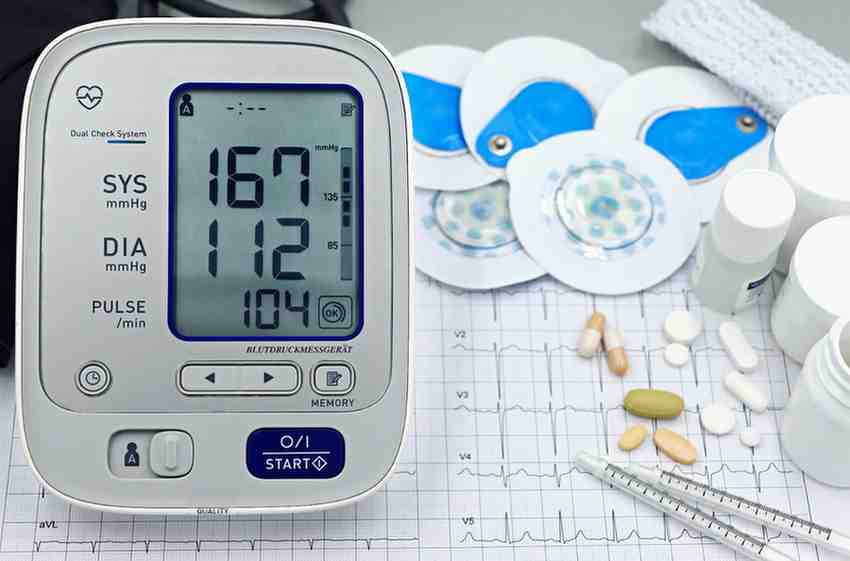
Blood pressure is a common term these days. When people hear that their blood pressure has gone up or down, they often worry. However, high blood pressure is not actually a disease. It is a condition related to the blood vessels and arteries. Everyone has blood pressure, and sometimes it can go above the normal range for different reasons. This is called high blood pressure or hypertension. If it falls below the normal range, it is called low blood pressure.
Blood flows through our veins, arteries, and blood vessels. The force that keeps this flow going is called blood pressure. Experts say this force comes from the heartbeat.
Why Your Blood Pressure Spikes: Common Triggers & Symptoms
👉 The main symptom of high blood pressure is the contract The main sign of high blood pressure is the narrowing of small arteries, which raises the pressure. Many people worry about their blood pressure, and this worry can make it worse. It’s important to know that high blood pressure does not always mean a serious illness. Many healthy people can have it without other health problems. Lethargic people during excitement, such as during running or being exposed to cold weather. Which quickly returns to normal. It has also been observed that during medical examinations, some patients’ blood pressure can easily spike.
And in most people, this pressure remains high for a long time. These people cannot be considered sick. But in the same situation, they can be more easily and quickly affected by high blood pressure than others. At this stage of the disease, the patient has very few complaints. Slight headaches, lack of sleep, chest tightness, and other uncomfortable feelings in the chest area are not only symptoms of high blood pressure but also of excessive excitement.
Silent Dangers of High Blood Pressure: Early Damage You Can’t See
👉 Although there are no symptoms of the disease in the early stages, the heart enlarges inside, and day after day, the arteries become diseased. In the early stages, there may be no symptoms, but over time, the heart can enlarge, and the arteries can weaken. Sometimes, an artery in the brain or heart may burst suddenly, leading to death from heart disease. In some cases, this is linked to infections or the heart stopping (High blood pressure dangers: Hypertension’s effects on your body, n.d., Staff, n.d.). The patient’s diet is alkaline and rich in various vitamins and metal salts. Enough fruits, fruit juices, milk, curd, boiled vegetables, salads, and green vegetables should be the main foods. Tomatoes and pineapples, sour fruits, are very beneficial for the patient. It is necessary to reduce rice and bread. Eating ripe and soft fruits is very good. Buttermilk is beneficial for the patient.
If the patient has enough meat and fat in his body, buttermilk should be consumed instead of milk. The best way to lower blood pressure is to lose weight.
To manage this, patients should eat as little fat as possible. Tea, coffee, and tobacco should be avoided. Salt intake should be limited. Occasional fasting can help. It’s also important to keep the skin clean, bathe daily, wash the head with cold water twice a day, and use a wet towel for bathing. Patients should spend time outdoors twice a day and avoid stress.
The heart constantly pumps blood through the arteries to reach all parts of the body. As blood enters the arteries, it creates pressure that helps with circulation. Over time, arteries can become thicker and less flexible.
Like other diseases, this disease results from the accumulation of various toxins in the body. This disease is mainly caused by the polluted juices that are taken into the body from the intestines due to constipation. Sometimes, some inflammation, tonsils, pus at the base of the teeth, and syphilis, etc., cause this condition.
👉 That is why Hahnemann said to treat the patient and not the disease. 👍👍👍👍. The purpose of treatment will be to establish health so that the body cannot contract disease.
👉Physiological prescription:
The patient should keep the bowels clean by using a stomach band and douche, etc. Take a pump bath for 3 to 6 minutes every day, as hot baths of any kind lower the patient’s blood pressure. But do not take a long, hot bath. It can be a serious danger. After bathing, the body should be wiped and rubbed all over. One of the main things to reduce blood pressure is to increase blood circulation in the small arteries. The most effective way is to warm the patient’s body slightly, then apply a friction bath for 30 minutes. This significantly reduces high pressure and brings it back to normal. Massage controls the high pressure. However, it must be done gently, and the hands and feet should be massaged from top to bottom. The patient should drink plenty of water. This removes the toxins accumulated in the body. This patient needs nine hours of sleep. It is necessary to completely avoid thoughts of illness and anxiety. The patient should never sit quietly indoors. If the patient recovers a little, he should gradually increase his exercise, which will yield permanent results. Travel is the best exercise for this disease. Traveling to open areas should be done twice a day.
Dietary advice:
Eat smaller portions to stay healthy, and try to keep your weight slightly below normal. If you are overweight, avoid rice, bread, sugar, and sweets, and focus on fruits, vegetables, and milk. Controlling your diet can help lower blood pressure. Avoid all unclean foods and do not eat salt. Eat less and keep your appetite in check, as digestion can raise blood pressure. Avoid tea, coffee, and tobacco. Praying twice a day is suggested. Drink 1 cup of raw green vegetable juice and 1/2 cup of water daily. Boiled soups made from papaya, carrot, potato, and shrimp are helpful. You can have milk, curd, and ghee in moderation. If milk is hard to digest, stop it and try eating it in smaller amounts.
Why Blood Pressure Rises:
👉 For this work to be completed, the elasticity and quality of the arteries are definitely necessary. But sometimes arterial elasticity can be partially lost. The arteries can become somewhat thick and clog. The heart itself has to work harder during the work of the arteries and, to a lesser extent, during its own work. As a result, the heart rate often increases. The troublesome symptoms that appear at this time are high blood pressure. Or symptoms of high blood pressure. The ratio of systolic and diastolic pressure is 3:2; that is, if a person’s systolic pressure is 120, it is desirable for the diastolic pressure to be 80. In our country, it is normal for a healthy person to have a systolic pressure of 115-135 mmHg and a diastolic pressure of 65-80 mmHg. Systolic pressure does not remain stable in any condition. A fluctuation of 20 millimeters is not unusual. But diastolic pressure is almost always the same, fluctuating by 6 to 8 mil (Understanding Blood Pressure Reading (Understanding Blood Pressure Readings, n.d.)). When a healthy person’s blood pressure is 120 to 135, or even up to 200, we call it high blood pressure. When blood pressure drops for some reason to less than 120 mmHg systolic and 80 mmHg diastolic.
and secondary high blood pressure, which is caused by another disease.
Causes of high blood pressure: About 95 percent of people with high blood pressure do not have a clear cause for the condition (EPIDEMIOLOGY OF HYPERTENSION, 2023).
Possible causes include:
If one parent has high blood pressure, their children are also more likely to develop it (Wang et al (Wang et al. 2008, 2008).
Eating too much salt and smoking can raise blood pressure (Does Salt Raise Blood Pressure? What To Kno (Does Salt Raise Blood Pressure? What To Know, 2025)w, 2025).
Stress at home and too much work pressure can also cause high blood pressure.
Anxiety, worry, abuse, and fear can all increase blood pressure.
Drinking alcohol, staying up late, and overeating can all contribute to high blood pressure.
Eating too many fatty or high-cholesterol foods, like beef, mutton, egg yolk, ghee, butter, lobster, liver, brain, coconut, and chocolate, can increase the risk of high blood pressure (Impact of Fatty Diets on Blood Pressure: A Systematic Review and Meta-Analysi (Shahzadi et al., 2025)).
If blood starts to clot in the body, blood pressure can rise.
Symptoms of high blood pressure include headaches, neck pain, restlessness, trembling, and sometimes ringing in the ears. People may feel more irritable, have trouble tolerating noise, and lose patience quickly. Sleep can be disturbed, especially when lying on the left side, and in some cases, people may even faint.
The main sign of high blood pressure is a rise in systolic pressure. Many people worry about their blood pressure, and this worry alone can make it worse. It’s important to know that high blood pressure does not always mean a serious illness, as it is often found in people who are otherwise healthy.
Excitement, heat, or cold can cause a temporary rise in blood pressure in healthy people, but it usually returns to normal quickly. Some patients also notice their blood pressure rises during hospital exams. For many, this pressure remains high for a long time, increasing their risk of developing high blood pressure. At this stage, symptoms are mild, such as headaches, sleepiness, chest tightness, or other chest sensations, which can also happen to people who get excited easily.
Good sources of fiber include fruits, vegetables, grains, and beans (Fiber | Healthy heart nutrition | Helping Your Heart, n.d.) (Fiber | Healthy heart nutrition | Helping Your Heart, n.d.) beans.
Garlic for high blood pressure: Eating about 600 mg, or 3 to 4 cloves, of garlic daily can lower blood pressure by around 11 (Ried et al (Ried & K., 2008).
Prohibited in high blood pressure🚫
Patients with high blood pressure should avoid protein, sugary, and fatty or oily foods. Beef, mutton, egg yolk, ghee, butter, lobster, liver, brain, coconut, chocolate, and more are to be avoided. Excessive consumption of raw milk, ripe fruits, and apples can increase blood pressure. In addition, smoking, tea, coffee, and other stimulants are especially to be avoided.
👉 To reduce high blood pressure👍👍👍
Watch funny movies. Laughter can help lower blood pressure. When you watch something humorous and laugh, you may feel lighter in both body and mind. Smiling releases endorphins, natural painkillers, which help you feel more comfortable.
Do not scream.
If you need to argue, try to stay calm and avoid raising your voice. This can help keep your blood pressure normal. Aaron Sigman, a psychology professor at the University of Maryland, suggests avoiding excitement and speaking slowly. Take your time and keep a relaxed attitude, and you may notice your anger going down.
Treatment of high blood pressure:
In Bangladesh, treatments include homeopathy, allopathy, and Kabiraji. The Green Harbor method also offers some ways to manage blood pressure.
Hearing bad news or loud noises can raise blood pressure, especially in people with blood flow problems. One remedy is to boil 15-20 grams of dates in a cup of milk, add sugar, and drink the mixture as a syrup. This is said to help manage the condition.
Drinking two to three tablespoons of fresh Sajan leaf juice before meals can lower blood pressure within a week. However, people with diabetes or high blood sugar should not use this remedy.
- Soak fenugreek in hot water and drink the water several times a day to help lower high blood pressure.
- Drinking juice made from the bark of the Nayan Tara tree can help reduce blood pressure.
- Mix 100 grams of powdered Sarpagandha root with 1 kilogram of water, heat and cool the mixture, and drink it 4 times a day to help lower high blood pressure.
- It’s also important to walk in the fresh air in the morning and evening, and to bathe at least three times a day.